Od plachet námořníků ke kachličkovým fasádám
Při procházce podél řeky snadno ucítíte, jak silně je město spojeno s mořem: cesty, koření, mapy i globální představivost formovaly lisabonskou architekturu, kuchyni i charakter.
Obsah
Od Féničanů k době objevů
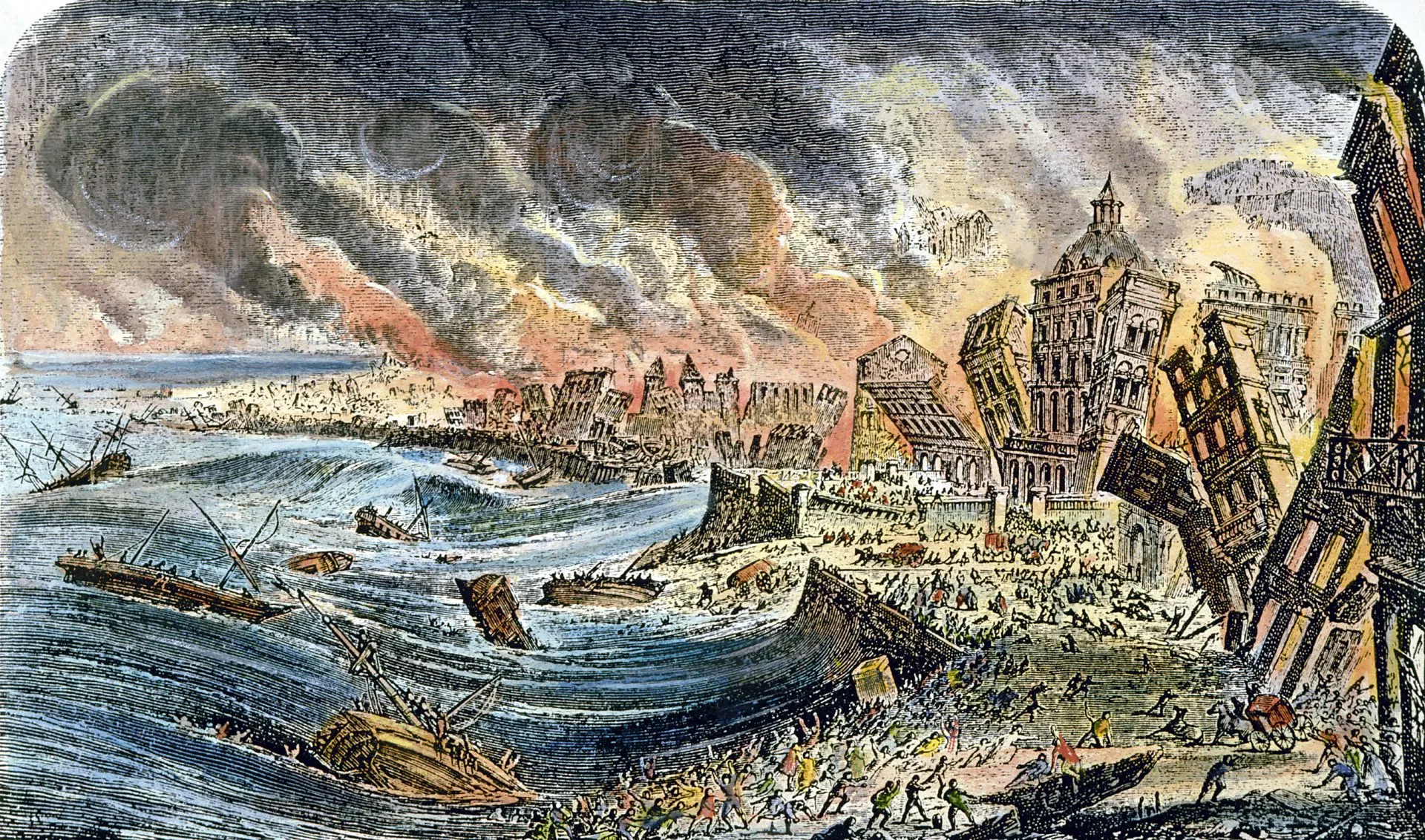
Kořeny Lisabonu sahají hluboko do starověku: Féničané a později Římané zde zakládali obchodní body v bezpečném estuáru Teja, který nabízel strategickou polohu i přístup do úrodného zázemí. Postupem staletí se osada proměnila v opevněný středověký přístav, kde úzké ulice, trhy a hrad na návrší určovaly rytmus městského života i podobu obchodu. Tato raná struktura je v městské krajině čitelná dodnes.
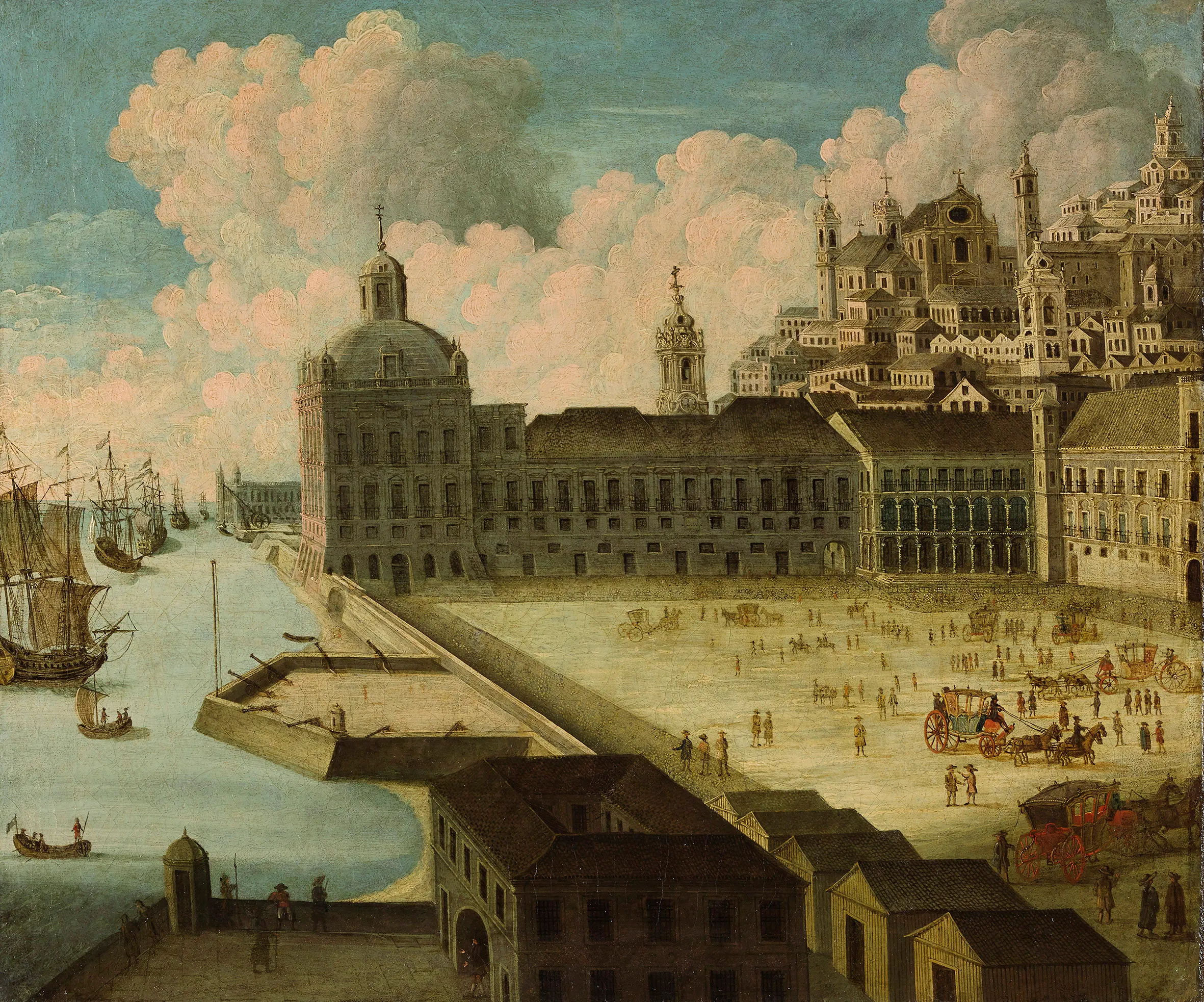
V 15. a 16. století se Lisabon stal centrem globální námořní sítě. Přístavy zaplnili kapitáni, kartografové, lodní stavitelé i obchodníci; do města proudilo koření, zlato, nové znalosti i příběhy z dalekých pobřeží. Byla to doba, která dala vzniknout velkolepým monumentům, klášterům i institucím a zásadně proměnila kulturní identitu města. Právě tehdy se Lisabon naučil být zároveň lokální i světový - a tato dvojí tvář v něm zůstala dodnes.
Středověký Lisabon a královský dvůr
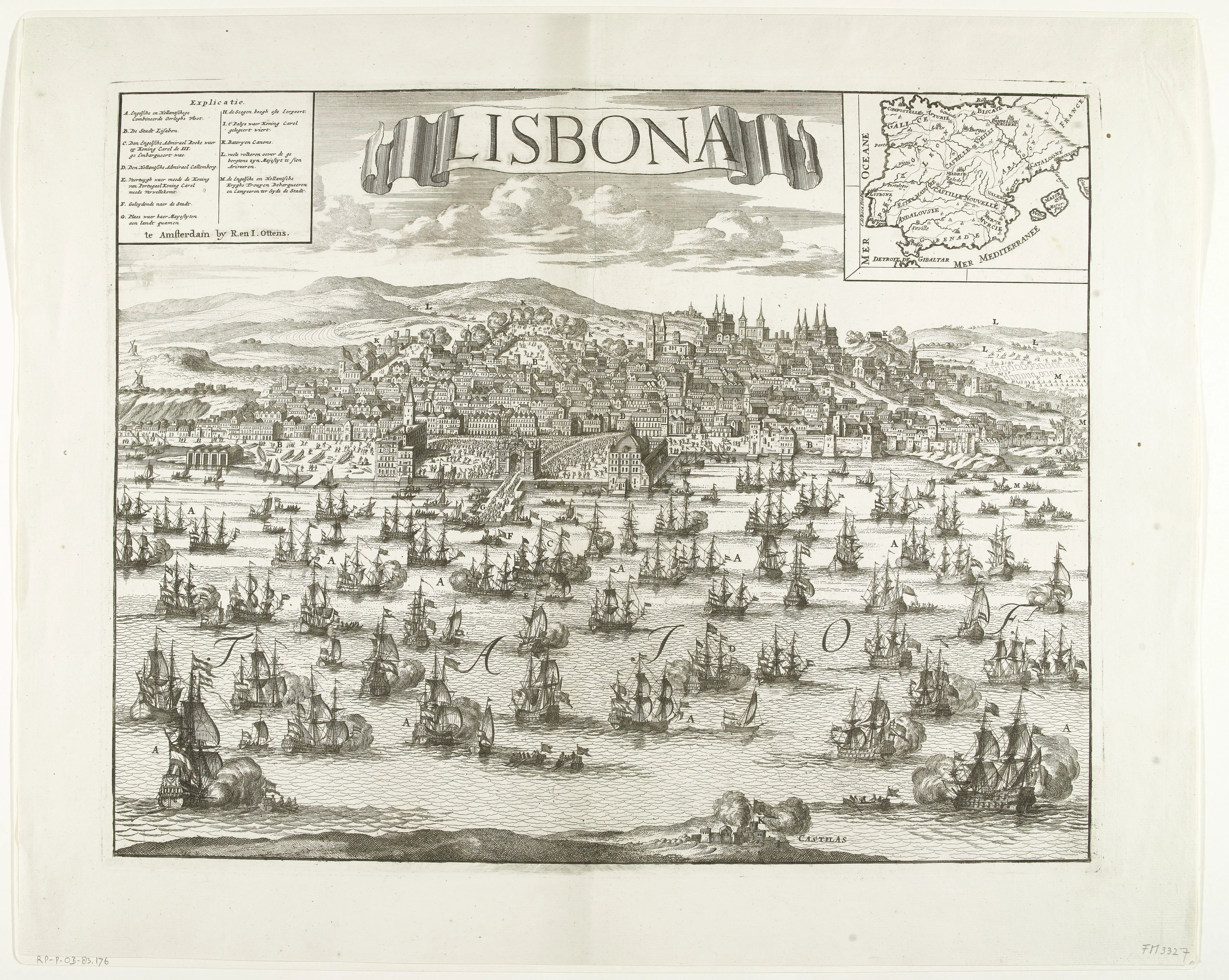
Středověké město rostlo pod hradem, kde kláštery, šlechtické domy i dvorní instituce utvářely politický a společenský rámec každodennosti. Úzké průchody sváděly obchod k řece, zatímco dvory a malé plácky fungovaly jako místa vyjednávání, setkávání i kulturní výměny. Urbanismus Lisabonu byl v této době zároveň obranný, obchodní i reprezentativní.
Když se dnes procházíte Alfamou a vystoupáte k Sao Jorge Castle, je tato kontinuita stále patrná: kamenné zdi, kachličkové fasády a vrstvená zástavba vyprávějí o městě, které svou minulost nevytěsnilo, ale vetkalo ji do současného života. Historie tu není kulisa, je součástí každého kroku.
Trhy, kavárny a každodenní život
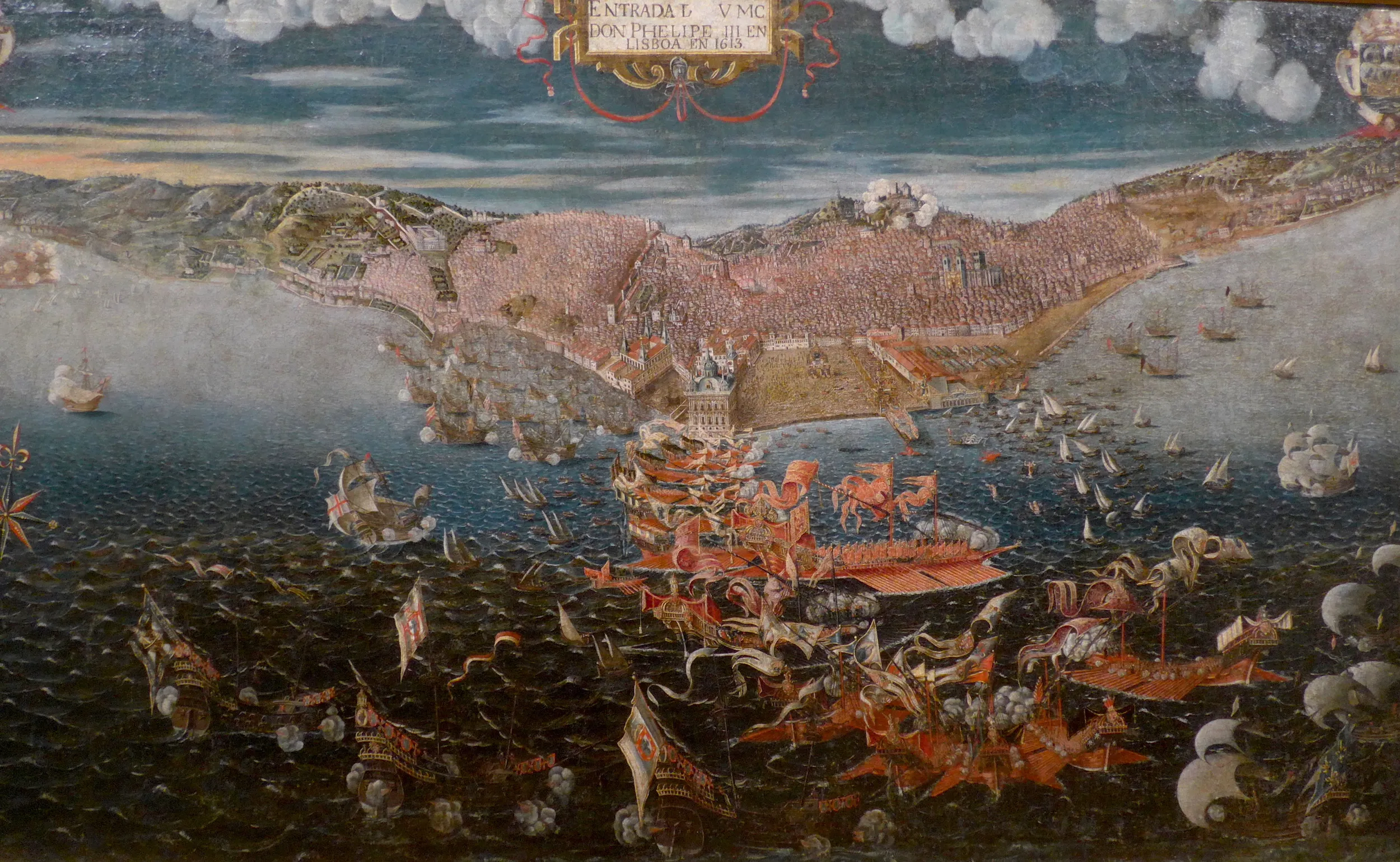
Lisabonské trhy a kavárny jsou místem, kde město nejvíc žije. Od stánků Mercado da Ribeira po malé obchody v Alfamě tu místní producenti, rybáři a pekaři navazují na dlouhé obchodní tradice, které se přirozeně propojují s moderní gastronomií. Tyto prostory ukazují, jak hluboce je v Lisabonu propojena ekonomika, kultura i každodenní rytmus.
Posaďte se na kávu a pastel de nata, sledujte pohyb ulic a rychle pochopíte, že město se nejlépe čte právě skrze drobné každodenní situace. Vedle slavných památek jsou to často právě tyto civilní okamžiky, které vytvářejí nejtrvalejší vzpomínku.
Belém a námořní paměť
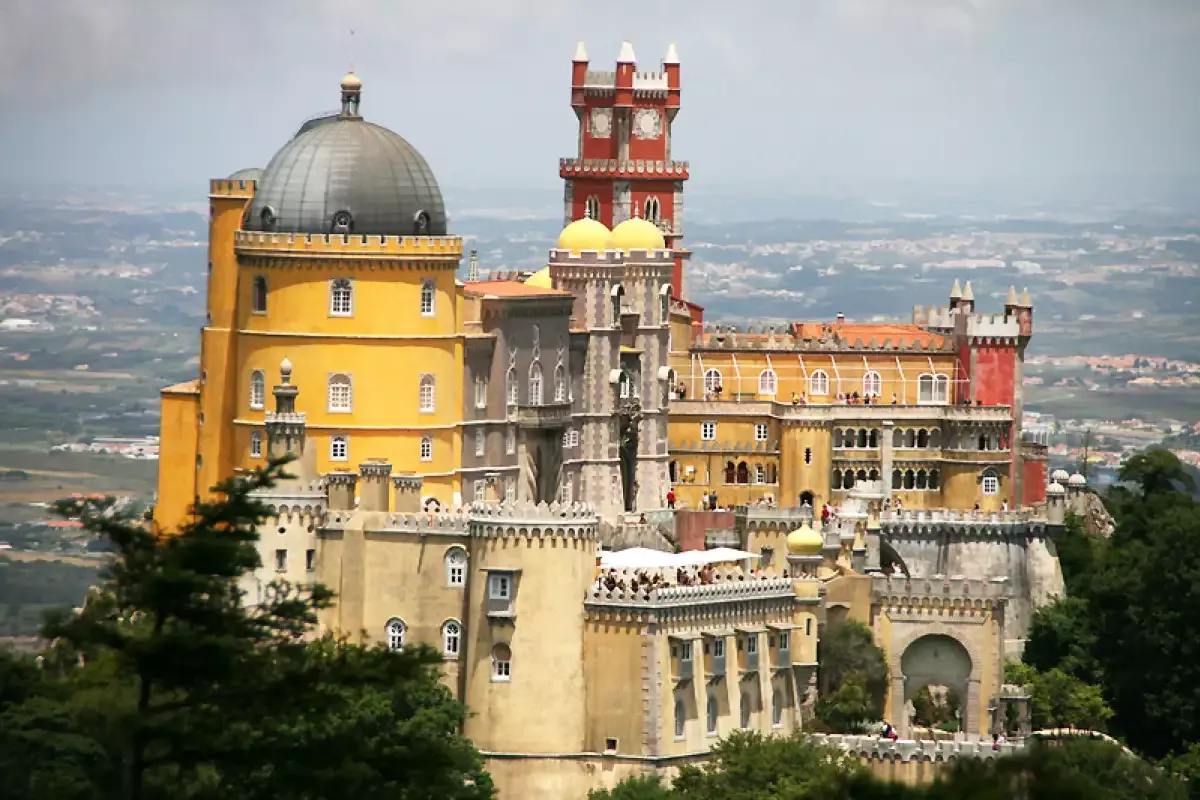
Belém je místem, kde nejintenzivněji pocítíte portugalské námořní dědictví. Klášter Jerónimos, vrchol manuelinské architektury, je současně důkazem řemeslné virtuozity i památníkem epochy, kdy odtud lodě vyrážely do vzdálených částí světa. Symbolika architektury zde propojuje víru, moc a oceánské ambice do jednoho výrazného obrazu.
Procházka po nábřeží, návštěva muzeí nebo krátká plavba po Teju vám pomůže lépe pochopit, jak zásadní roli hrála geografie ve vývoji města. V Belému není minulost uzavřená kapitola - je to aktivní součást toho, jak Lisabon působí i dnes.
Paláce, pombalinská náměstí a elegantní fasády
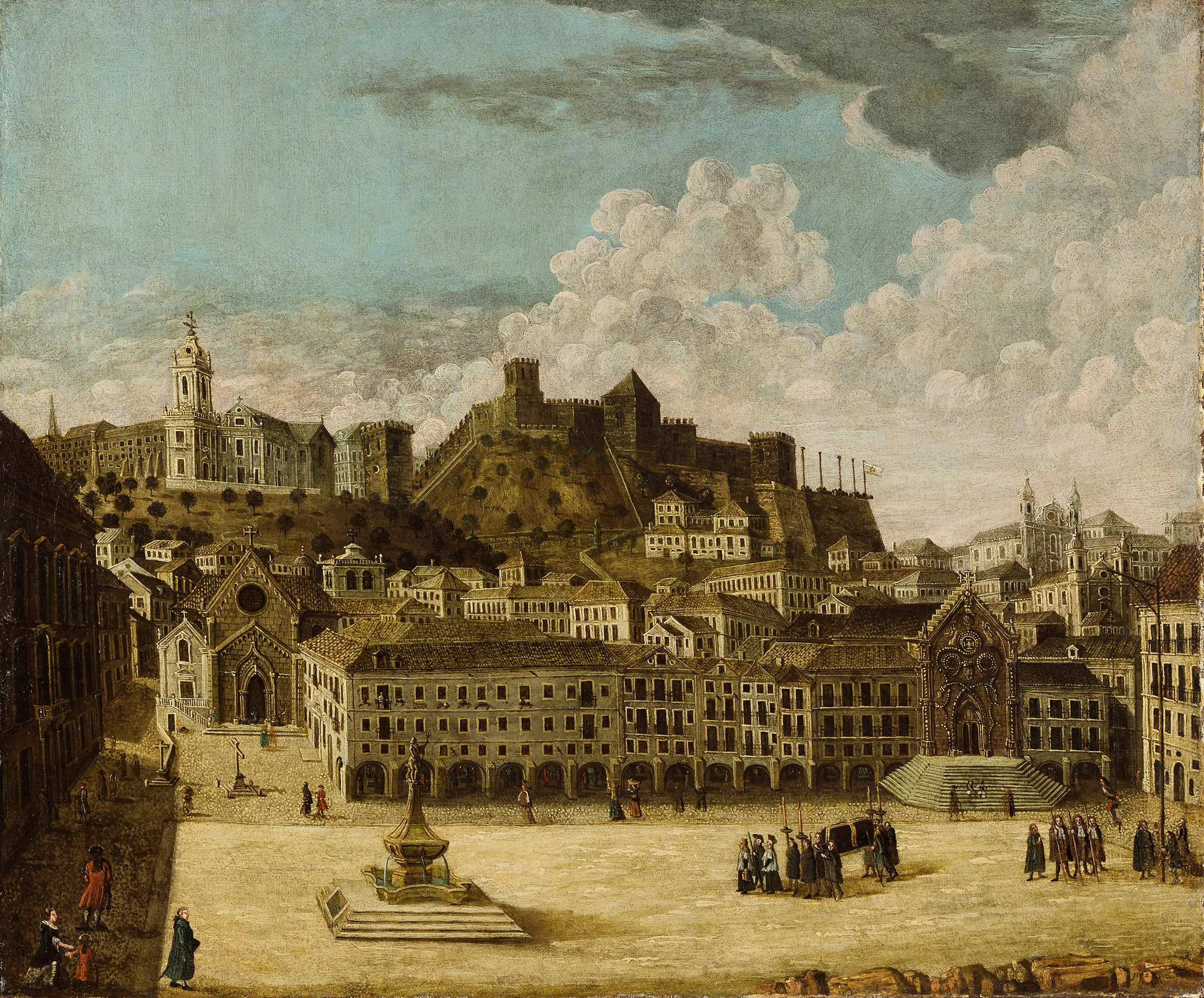
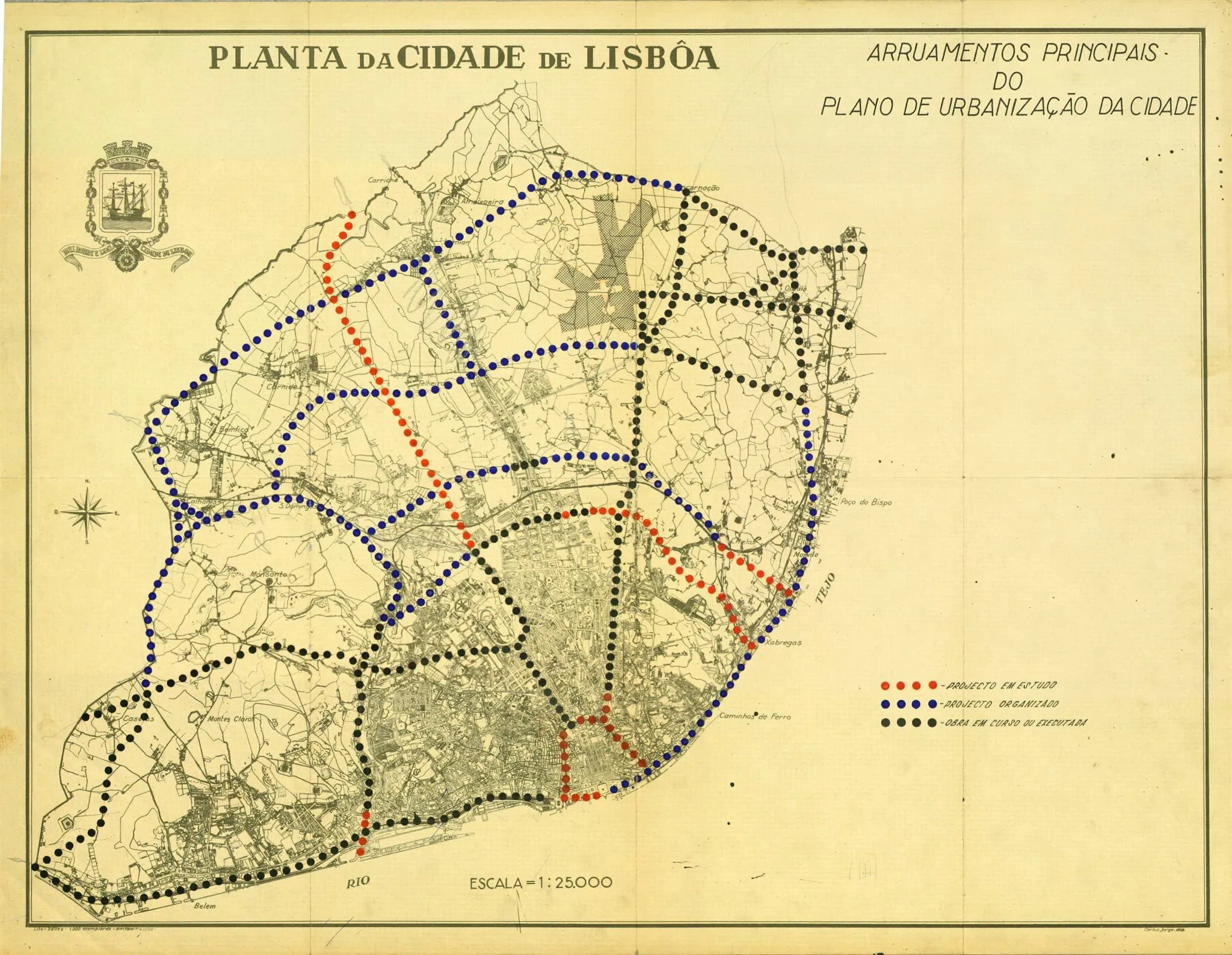
Po zemětřesení roku 1755 vznikla ambiciózní pombalinská obnova, která přetvořila Baixu do pravidelnější mřížky se širšími třídami, jasněji strukturovanými náměstími a konstrukčními principy odolnějšími vůči otřesům. Tato proměna byla výrazným kontrastem ke starému, spletitějšímu městu a ukázkou toho, jak lze katastrofu proměnit v modernizační impuls.
Při chůzi těmito ulicemi je vidět nejen urbanistická racionalita, ale i občanský optimismus 18. století. Baixa je dodnes učebnicovým příkladem toho, jak architektura a plánování dokážou reagovat na krizi a současně vytvořit novou identitu metropole.
Moderní Lisabon: kultura, kavárny a kreativita
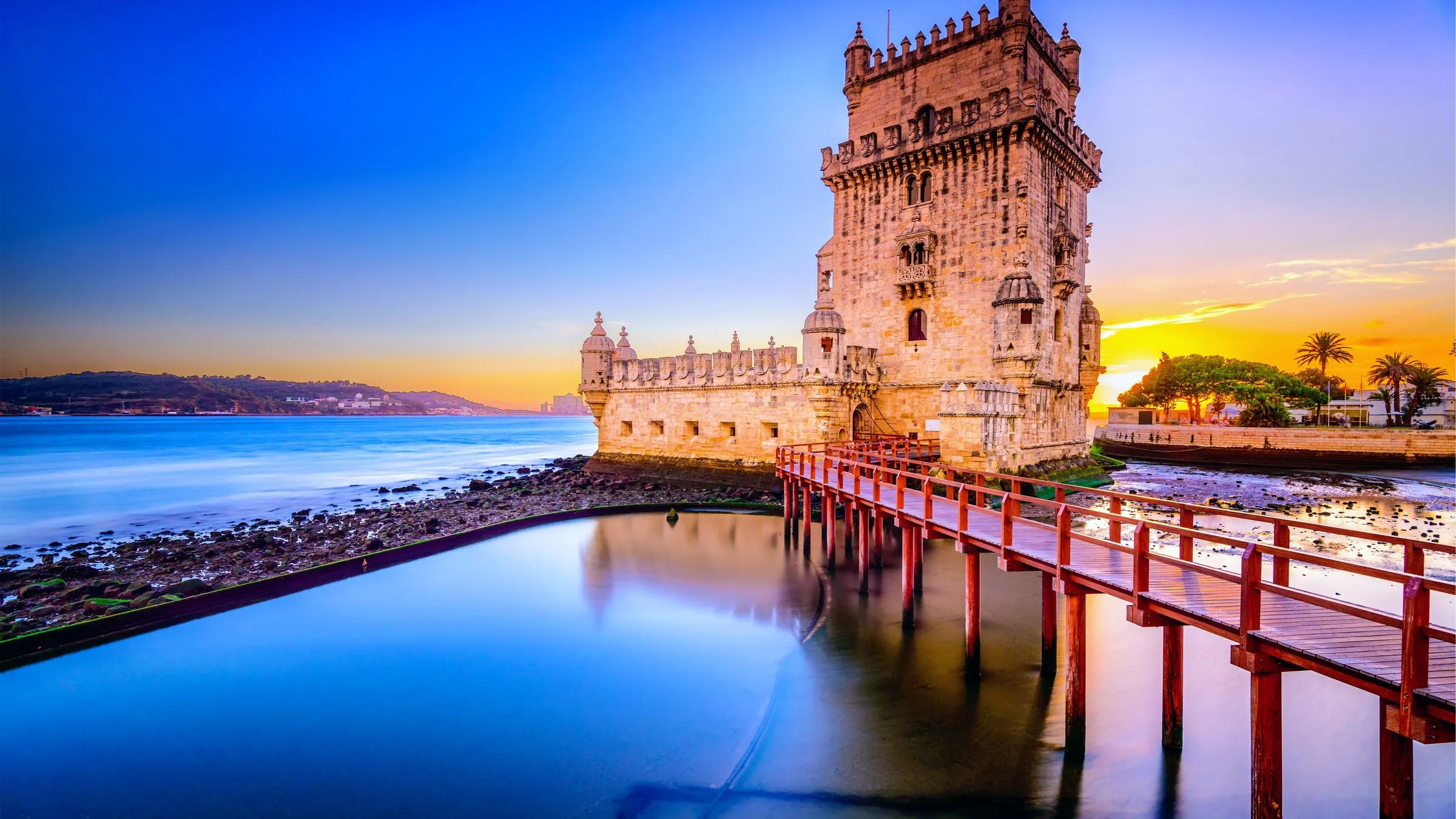
Současný Lisabon je živé kulturní centrum: nezávislá knihkupectví, současné galerie, designové obchody a rooftop bary tu fungují vedle historických kaváren spojených s literární tradicí. Chiado a Bairro Alto jsou ukázkou města, které umí být zároveň intimní i energické.
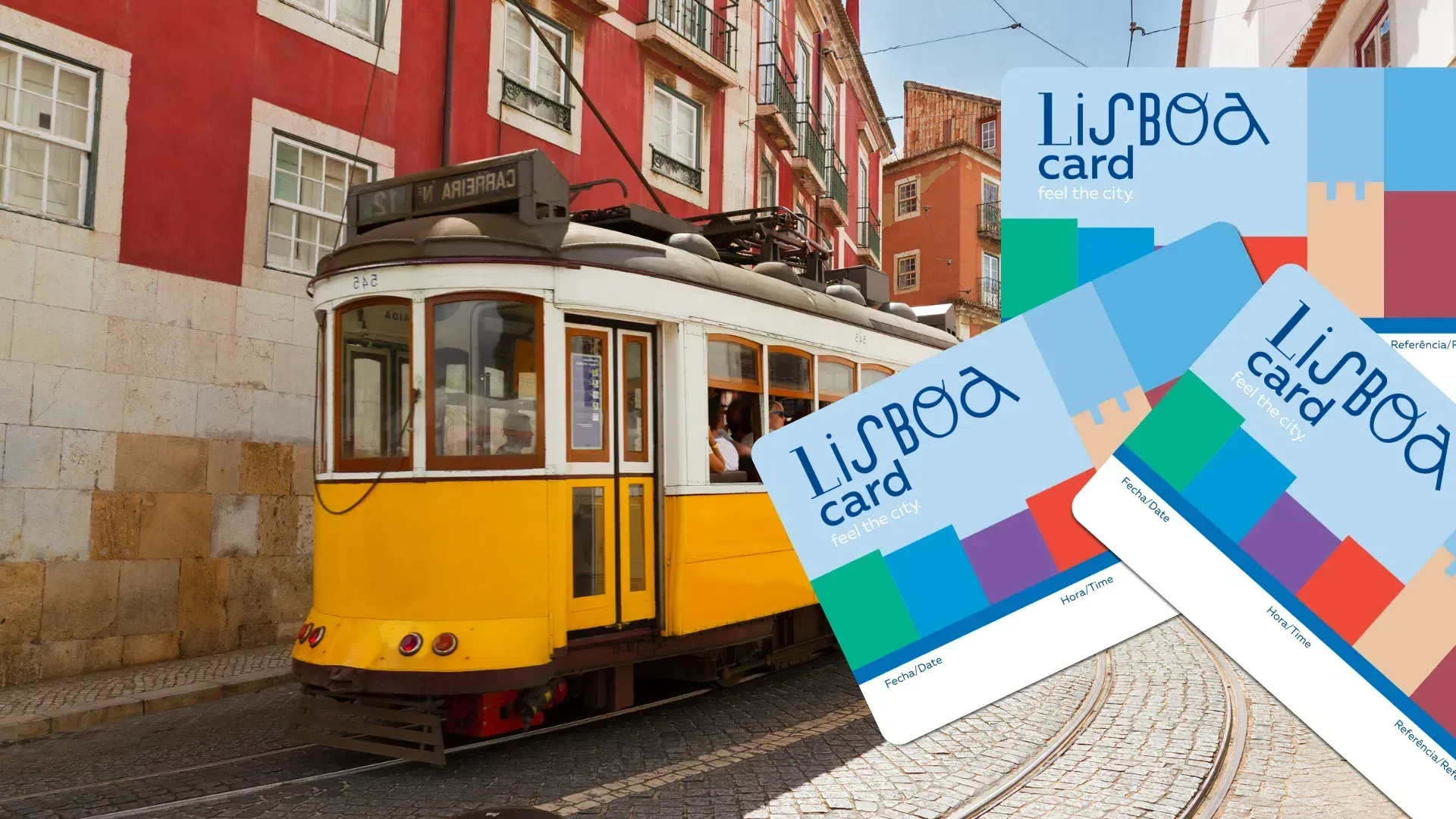
Turistická karta vám usnadní plynulý přesun mezi denními kulturními aktivitami a večerním programem bez dodatečných nákladů na dopravu. Díky tomu se daří skloubit divadlo, živou hudbu i lokální gastronomii do jednoho dne.
Řeka Tejo a námořní srdce Lisabonu
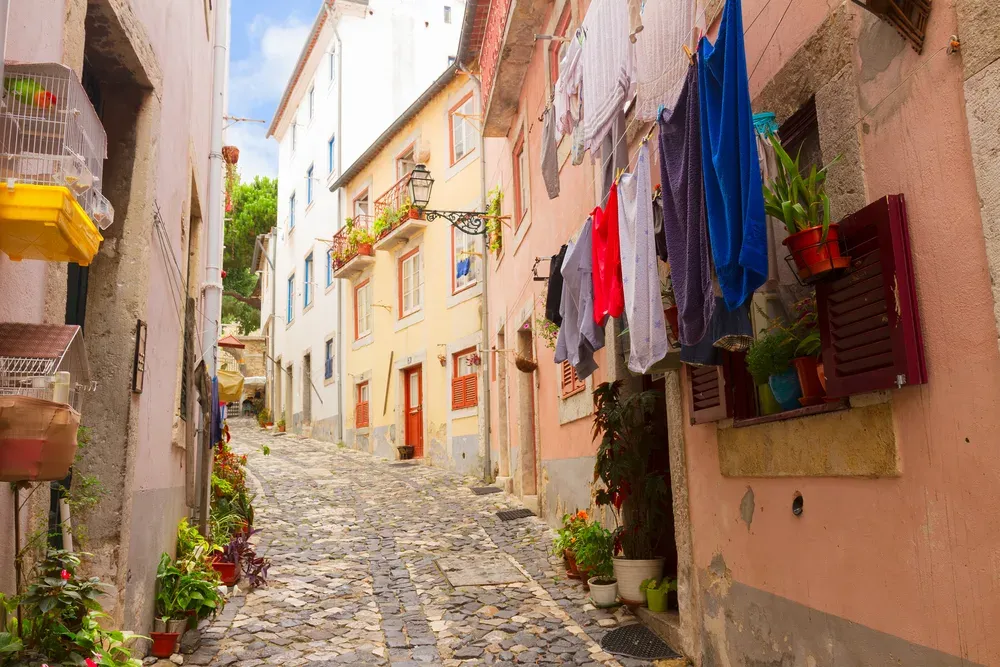
Identitu Lisabonu nelze oddělit od Teja: kotvící lodě, historické trasy i klíčové památky orientované k řece připomínají, že právě voda formovala obchod, strategii i městskou imaginaci. Krátká plavba často stačí, aby se tento vztah stal zcela zřetelným.
I rychlá procházka podél nábřeží odhalí vrstvy paměti - od monumentů po předměty kdysi přivezené z dalekých cest. Námořní minulost tak v Lisabonu nepůsobí muzeálně odtažitě, ale jako živá součást městského prostoru.
Davy, bezpečnost a dostupnost
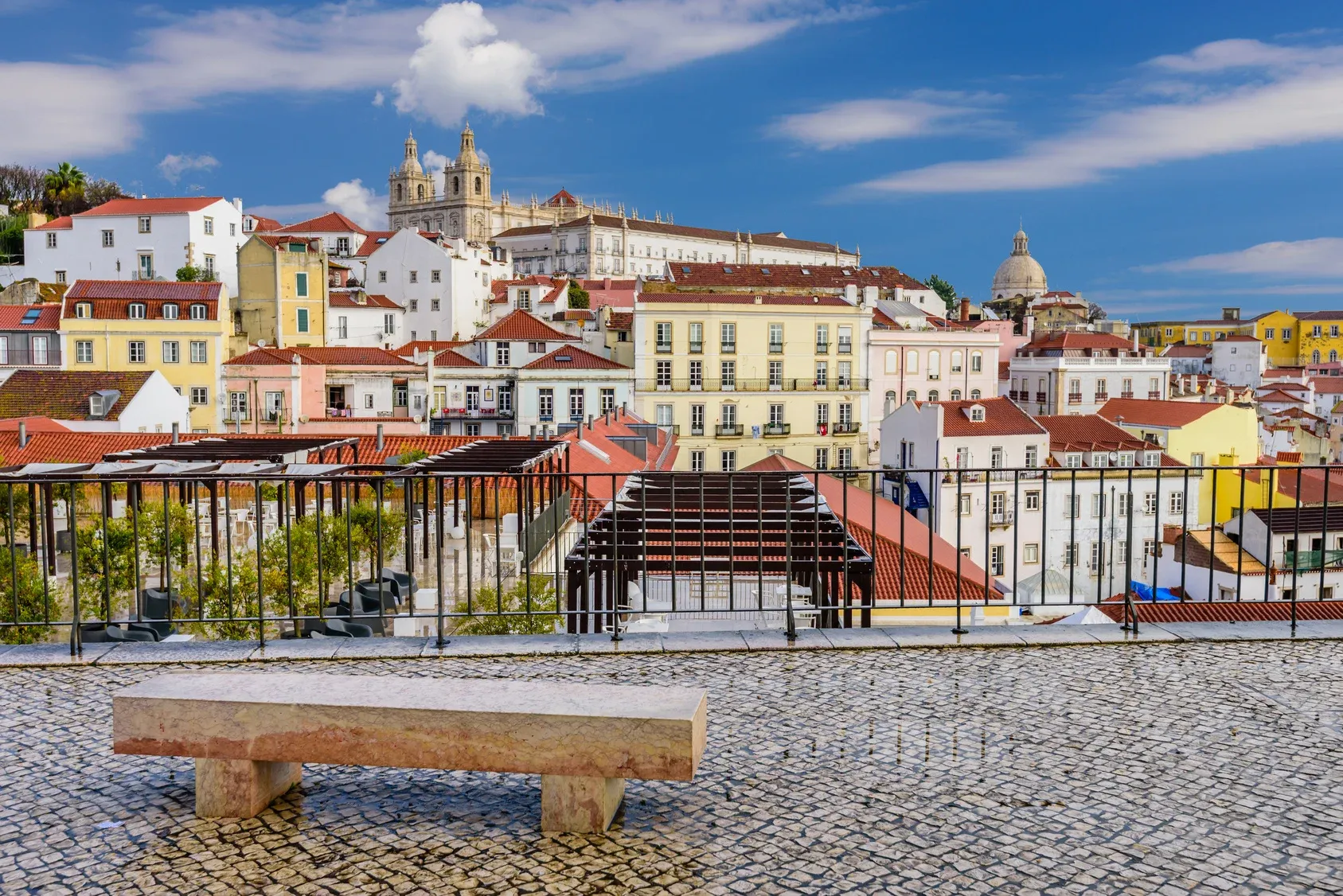
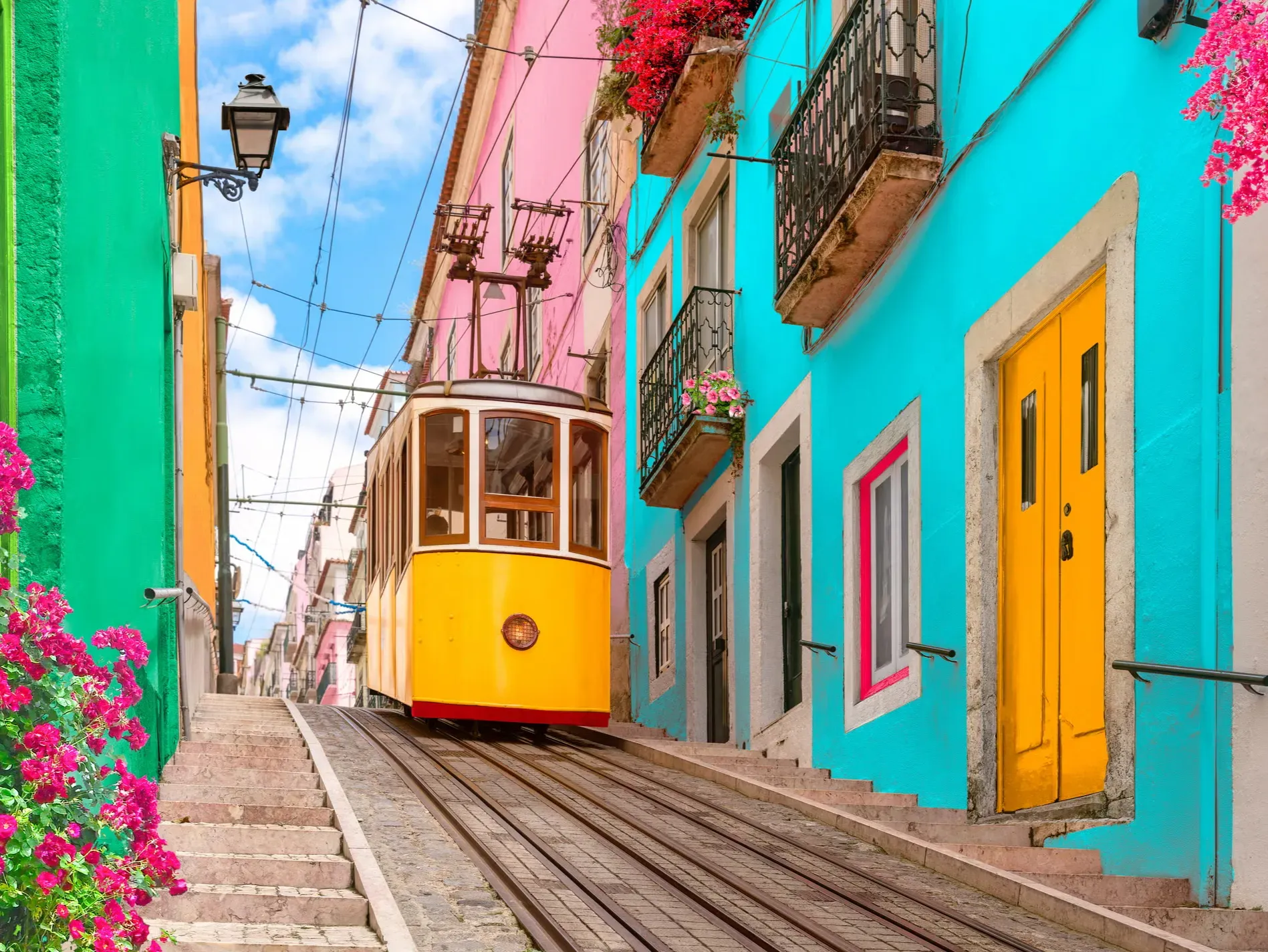
Lisabon je obecně bezpečné město, ale ve velmi frekventovaných místech se mohou objevit drobné krádeže. Vyplatí se mít pod kontrolou osobní věci, zejména v plných tramvajích a turistických uzlech. Cenné doklady je vhodné ukládat bezpečně.
Dostupnost se mezi lokalitami liší: historické ulice bývají strmé a nerovné, ne všechny tramvaje nebo vyhlídky jsou plně bezbariérové. Pokud je pro vás dostupnost klíčová, doporučuje se jednotlivá místa ověřit předem.
Festivaly, fado a rituály čtvrtí
Lisabonský kulturní kalendář je bohatý na filmové přehlídky, hudební týdny i sousedské slavnosti, při nichž se ulice plní hudbou, jídlem a tancem. V letních večerech má Bairro Alto i menší městské scény mimořádně silnou atmosféru a fado zde zůstává výrazným hlasem městské paměti.
Večer je ideální čas ochutnat lokální tradice bez spěchu: malé vystoupení, sdílený talíř petiscos a pozorné naslouchání okolí často přinesou hlubší porozumění městu než jakýkoli rychlý seznam památek.
Vstupenky, passy a chytré plánování
Trocha plánování pomáhá: zvolte délku karty na nejvytíženější den, seskupte blízká muzea do jednoho bloku a využijte dopravu na delší přesuny mezi čtvrtěmi.
Máte-li méně času, zaměřte každý den na jednu říční a jednu kopcovitou oblast. Při delším pobytu je oblíbený rytmus střídat Belém, Alfamu, Chiado a přidat jednodenní výlet do Sintry.
Ochrana lisabonského dědictví
Lisabon dlouhodobě investuje do obnovy azulejo, kostelů i historických průčelí a současně hledá rovnováhu mezi potřebami místních obyvatel a tlakem návštěvnosti. Odpovědné cestování a příjmy ze vstupného hrají v této ochraně důležitou roli.
Když navštěvujete místa zahrnutá v turistické kartě, nepřímo přispíváte k zachování portugalského hmotného i nehmotného dědictví. Volba klidnějších časů a ohleduplné chování pomáhají, aby toto dědictví zůstalo živé i pro další generace.
Výlety a vyhlídky
Z Lisabonu se snadno dostanete na působivé jednodenní výlety: paláce a parky v Sintře, pobřežní Cascais nebo historická Évora jsou dostupné vlakem i krátkými organizovanými trasami. Takový výlet příjemně rozšíří perspektivu mimo centrum.
Po návratu do Lisabonu vás vyhlídky jako Miradouro da Senhora do Monte nebo Miradouro de Santa Catarina odmění širokým panoramatem města a řeky, obzvlášť v podvečerním světle.
Proč Lisabonská turistická karta pomáhá vyprávět příběh města
Karta je praktický nástroj, který zároveň mění způsob, jak město prožíváte a později vyprávíte: díky menší logistické zátěži máte více času na samotná místa, detaily i rozhovory. Architektura, hudba, jídlo a řeka se tak neskládají do oddělených epizod, ale do jednoho souvislého příběhu.
Na konci dne vedeného kartou často vznikne bohatá mozaika zážitků - od monumentálních sálů přes nábřežní kavárny až po vyhlídky na kopcích. Právě tato mozaika dává vzpomínce na Lisabon hloubku, kontext i osobní význam.
Obsah
Od Féničanů k době objevů
Kořeny Lisabonu sahají hluboko do starověku: Féničané a později Římané zde zakládali obchodní body v bezpečném estuáru Teja, který nabízel strategickou polohu i přístup do úrodného zázemí. Postupem staletí se osada proměnila v opevněný středověký přístav, kde úzké ulice, trhy a hrad na návrší určovaly rytmus městského života i podobu obchodu. Tato raná struktura je v městské krajině čitelná dodnes.
V 15. a 16. století se Lisabon stal centrem globální námořní sítě. Přístavy zaplnili kapitáni, kartografové, lodní stavitelé i obchodníci; do města proudilo koření, zlato, nové znalosti i příběhy z dalekých pobřeží. Byla to doba, která dala vzniknout velkolepým monumentům, klášterům i institucím a zásadně proměnila kulturní identitu města. Právě tehdy se Lisabon naučil být zároveň lokální i světový - a tato dvojí tvář v něm zůstala dodnes.
Středověký Lisabon a královský dvůr
Středověké město rostlo pod hradem, kde kláštery, šlechtické domy i dvorní instituce utvářely politický a společenský rámec každodennosti. Úzké průchody sváděly obchod k řece, zatímco dvory a malé plácky fungovaly jako místa vyjednávání, setkávání i kulturní výměny. Urbanismus Lisabonu byl v této době zároveň obranný, obchodní i reprezentativní.
Když se dnes procházíte Alfamou a vystoupáte k Sao Jorge Castle, je tato kontinuita stále patrná: kamenné zdi, kachličkové fasády a vrstvená zástavba vyprávějí o městě, které svou minulost nevytěsnilo, ale vetkalo ji do současného života. Historie tu není kulisa, je součástí každého kroku.
Trhy, kavárny a každodenní život
Lisabonské trhy a kavárny jsou místem, kde město nejvíc žije. Od stánků Mercado da Ribeira po malé obchody v Alfamě tu místní producenti, rybáři a pekaři navazují na dlouhé obchodní tradice, které se přirozeně propojují s moderní gastronomií. Tyto prostory ukazují, jak hluboce je v Lisabonu propojena ekonomika, kultura i každodenní rytmus.
Posaďte se na kávu a pastel de nata, sledujte pohyb ulic a rychle pochopíte, že město se nejlépe čte právě skrze drobné každodenní situace. Vedle slavných památek jsou to často právě tyto civilní okamžiky, které vytvářejí nejtrvalejší vzpomínku.
Belém a námořní paměť
Belém je místem, kde nejintenzivněji pocítíte portugalské námořní dědictví. Klášter Jerónimos, vrchol manuelinské architektury, je současně důkazem řemeslné virtuozity i památníkem epochy, kdy odtud lodě vyrážely do vzdálených částí světa. Symbolika architektury zde propojuje víru, moc a oceánské ambice do jednoho výrazného obrazu.
Procházka po nábřeží, návštěva muzeí nebo krátká plavba po Teju vám pomůže lépe pochopit, jak zásadní roli hrála geografie ve vývoji města. V Belému není minulost uzavřená kapitola - je to aktivní součást toho, jak Lisabon působí i dnes.
Paláce, pombalinská náměstí a elegantní fasády
Po zemětřesení roku 1755 vznikla ambiciózní pombalinská obnova, která přetvořila Baixu do pravidelnější mřížky se širšími třídami, jasněji strukturovanými náměstími a konstrukčními principy odolnějšími vůči otřesům. Tato proměna byla výrazným kontrastem ke starému, spletitějšímu městu a ukázkou toho, jak lze katastrofu proměnit v modernizační impuls.
Při chůzi těmito ulicemi je vidět nejen urbanistická racionalita, ale i občanský optimismus 18. století. Baixa je dodnes učebnicovým příkladem toho, jak architektura a plánování dokážou reagovat na krizi a současně vytvořit novou identitu metropole.
Moderní Lisabon: kultura, kavárny a kreativita
Současný Lisabon je živé kulturní centrum: nezávislá knihkupectví, současné galerie, designové obchody a rooftop bary tu fungují vedle historických kaváren spojených s literární tradicí. Chiado a Bairro Alto jsou ukázkou města, které umí být zároveň intimní i energické.
Turistická karta vám usnadní plynulý přesun mezi denními kulturními aktivitami a večerním programem bez dodatečných nákladů na dopravu. Díky tomu se daří skloubit divadlo, živou hudbu i lokální gastronomii do jednoho dne.
Řeka Tejo a námořní srdce Lisabonu
Identitu Lisabonu nelze oddělit od Teja: kotvící lodě, historické trasy i klíčové památky orientované k řece připomínají, že právě voda formovala obchod, strategii i městskou imaginaci. Krátká plavba často stačí, aby se tento vztah stal zcela zřetelným.
I rychlá procházka podél nábřeží odhalí vrstvy paměti - od monumentů po předměty kdysi přivezené z dalekých cest. Námořní minulost tak v Lisabonu nepůsobí muzeálně odtažitě, ale jako živá součást městského prostoru.
Davy, bezpečnost a dostupnost
Lisabon je obecně bezpečné město, ale ve velmi frekventovaných místech se mohou objevit drobné krádeže. Vyplatí se mít pod kontrolou osobní věci, zejména v plných tramvajích a turistických uzlech. Cenné doklady je vhodné ukládat bezpečně.
Dostupnost se mezi lokalitami liší: historické ulice bývají strmé a nerovné, ne všechny tramvaje nebo vyhlídky jsou plně bezbariérové. Pokud je pro vás dostupnost klíčová, doporučuje se jednotlivá místa ověřit předem.
Festivaly, fado a rituály čtvrtí
Lisabonský kulturní kalendář je bohatý na filmové přehlídky, hudební týdny i sousedské slavnosti, při nichž se ulice plní hudbou, jídlem a tancem. V letních večerech má Bairro Alto i menší městské scény mimořádně silnou atmosféru a fado zde zůstává výrazným hlasem městské paměti.
Večer je ideální čas ochutnat lokální tradice bez spěchu: malé vystoupení, sdílený talíř petiscos a pozorné naslouchání okolí často přinesou hlubší porozumění městu než jakýkoli rychlý seznam památek.
Vstupenky, passy a chytré plánování
Trocha plánování pomáhá: zvolte délku karty na nejvytíženější den, seskupte blízká muzea do jednoho bloku a využijte dopravu na delší přesuny mezi čtvrtěmi.
Máte-li méně času, zaměřte každý den na jednu říční a jednu kopcovitou oblast. Při delším pobytu je oblíbený rytmus střídat Belém, Alfamu, Chiado a přidat jednodenní výlet do Sintry.
Ochrana lisabonského dědictví
Lisabon dlouhodobě investuje do obnovy azulejo, kostelů i historických průčelí a současně hledá rovnováhu mezi potřebami místních obyvatel a tlakem návštěvnosti. Odpovědné cestování a příjmy ze vstupného hrají v této ochraně důležitou roli.
Když navštěvujete místa zahrnutá v turistické kartě, nepřímo přispíváte k zachování portugalského hmotného i nehmotného dědictví. Volba klidnějších časů a ohleduplné chování pomáhají, aby toto dědictví zůstalo živé i pro další generace.
Výlety a vyhlídky
Z Lisabonu se snadno dostanete na působivé jednodenní výlety: paláce a parky v Sintře, pobřežní Cascais nebo historická Évora jsou dostupné vlakem i krátkými organizovanými trasami. Takový výlet příjemně rozšíří perspektivu mimo centrum.
Po návratu do Lisabonu vás vyhlídky jako Miradouro da Senhora do Monte nebo Miradouro de Santa Catarina odmění širokým panoramatem města a řeky, obzvlášť v podvečerním světle.
Proč Lisabonská turistická karta pomáhá vyprávět příběh města
Karta je praktický nástroj, který zároveň mění způsob, jak město prožíváte a později vyprávíte: díky menší logistické zátěži máte více času na samotná místa, detaily i rozhovory. Architektura, hudba, jídlo a řeka se tak neskládají do oddělených epizod, ale do jednoho souvislého příběhu.
Na konci dne vedeného kartou často vznikne bohatá mozaika zážitků - od monumentálních sálů přes nábřežní kavárny až po vyhlídky na kopcích. Právě tato mozaika dává vzpomínce na Lisabon hloubku, kontext i osobní význam.